Buy reuni.eu ?
We are moving the project
reuni.eu .
Are you interested in purchasing the domain
reuni.eu ?
domain@kv-gmbh.de · 0541-91531010
Buy reuni.eu ?
How does one always save RISC-V assembly registers on the stack?
To always save RISC-V assembly registers on the stack, one can use the standard convention of saving the callee-saved registers (s0-s11) at the beginning of the function and restoring them before returning. This can be achieved by pushing the registers onto the stack at the beginning of the function and popping them off the stack before returning. By following this convention, the function can ensure that the callee-saved registers are preserved across function calls and that the stack is properly managed. This helps maintain the integrity of the caller's state and prevents unintended side effects. **
Half or half stack?
It depends on the context. "Half" typically refers to a 50% portion of something, while "half stack" usually refers to a guitar amplifier with only half of its full number of speaker cabinets. Both have their own uses and advantages, so the choice between the two would depend on the specific situation and requirements. **

Similar search terms for Stack
Top-Angebote
Products related to Stack:



-
How can the stack be cleaned up using the assembly instruction add esp 8?
The assembly instruction add esp 8 can be used to clean up the stack by adjusting the stack pointer to remove the topmost 8 bytes of data. This instruction effectively "pops" the topmost 8 bytes off the stack, making room for new data to be pushed onto the stack. This can be useful for cleaning up the stack after a function call or when removing local variables from the stack. It is important to be careful when using this instruction to ensure that the stack pointer is adjusted correctly to avoid any unintended consequences. **
-
How do you stack cakes?
To stack cakes, start by placing a layer of cake on a serving plate or cake board. Spread a layer of frosting or filling on top of the cake, then place another layer of cake on top. Repeat this process for each layer of cake, making sure to evenly spread the frosting or filling between each layer. Once all the layers are stacked, apply a thin layer of frosting around the entire cake to create a crumb coat, then refrigerate the cake for about 30 minutes before adding the final layer of frosting. This will help the layers to set and hold together. **
-
Why don't Minecraft items stack?
Minecraft items don't stack because each item is considered unique and has its own set of properties and characteristics. For example, two pieces of wood may look the same, but they could have been obtained from different trees and have different properties. Additionally, stacking items would require more complex coding and could potentially impact game performance. Finally, the game's mechanics and balance are designed around the current system of non-stacking items, and changing this could have significant implications for gameplay. **
-
How can you stack magazines?
You can stack magazines by placing one on top of the other in a neat and organized manner. You can also use bookends or magazine holders to keep the stack stable and prevent them from toppling over. Additionally, you can arrange the magazines by size or topic to create a visually appealing and functional stack. **


How do you stack balls?
To stack balls, you can start by placing one ball on a flat surface. Then, carefully balance another ball on top of the first one. Continue this process, making sure each ball is stacked securely on top of the other to create a stable tower. You can experiment with different arrangements and patterns to create unique and interesting ball stacks. **
How can one stack water?
One can stack water by using a process called surface tension. When water molecules stick together, they create a strong surface tension that allows them to form a dome-like shape. By carefully pouring water onto an already filled container, the surface tension of the water allows it to stack on top of the existing water without spilling over. This can create a temporary stacked water effect, but it is important to note that the stability of the stacked water will depend on factors such as the shape of the container and the carefulness of the pouring. **
Top-Angebote
Products related to Stack:
-
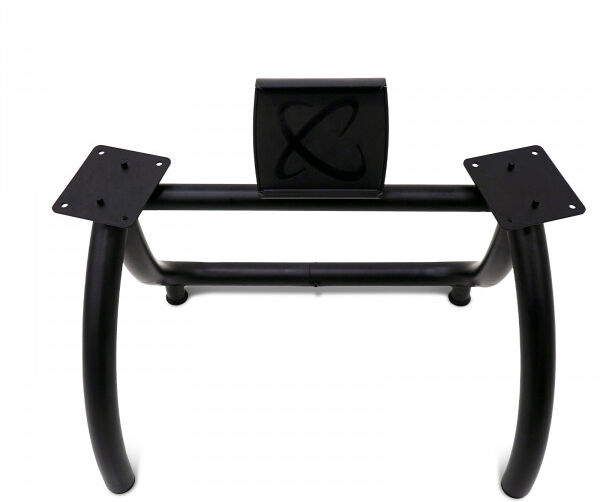
Centr Smart Stack Media RackThe Centr Smart Stack Media Rack is the ultimate solution for organising your Centr Smart Stack Dumbbells (not included). Designed with a sleek and durable structure, it provides convenient storage while complementing your home or studio gym setup. SPACE-SAVING DESIGN Compact and stylish, the...99,00 £*Shipping: 0,00 £Secure redirect to the provider
-
How does one always save RISC-V assembly registers on the stack?
To always save RISC-V assembly registers on the stack, one can use the standard convention of saving the callee-saved registers (s0-s11) at the beginning of the function and restoring them before returning. This can be achieved by pushing the registers onto the stack at the beginning of the function and popping them off the stack before returning. By following this convention, the function can ensure that the callee-saved registers are preserved across function calls and that the stack is properly managed. This helps maintain the integrity of the caller's state and prevents unintended side effects. **
-
Half or half stack?
It depends on the context. "Half" typically refers to a 50% portion of something, while "half stack" usually refers to a guitar amplifier with only half of its full number of speaker cabinets. Both have their own uses and advantages, so the choice between the two would depend on the specific situation and requirements. **
-
How can the stack be cleaned up using the assembly instruction add esp 8?
The assembly instruction add esp 8 can be used to clean up the stack by adjusting the stack pointer to remove the topmost 8 bytes of data. This instruction effectively "pops" the topmost 8 bytes off the stack, making room for new data to be pushed onto the stack. This can be useful for cleaning up the stack after a function call or when removing local variables from the stack. It is important to be careful when using this instruction to ensure that the stack pointer is adjusted correctly to avoid any unintended consequences. **
-
How do you stack cakes?
To stack cakes, start by placing a layer of cake on a serving plate or cake board. Spread a layer of frosting or filling on top of the cake, then place another layer of cake on top. Repeat this process for each layer of cake, making sure to evenly spread the frosting or filling between each layer. Once all the layers are stacked, apply a thin layer of frosting around the entire cake to create a crumb coat, then refrigerate the cake for about 30 minutes before adding the final layer of frosting. This will help the layers to set and hold together. **
Similar search terms for Stack
-
Why don't Minecraft items stack?
Minecraft items don't stack because each item is considered unique and has its own set of properties and characteristics. For example, two pieces of wood may look the same, but they could have been obtained from different trees and have different properties. Additionally, stacking items would require more complex coding and could potentially impact game performance. Finally, the game's mechanics and balance are designed around the current system of non-stacking items, and changing this could have significant implications for gameplay. **
-
How can you stack magazines?
You can stack magazines by placing one on top of the other in a neat and organized manner. You can also use bookends or magazine holders to keep the stack stable and prevent them from toppling over. Additionally, you can arrange the magazines by size or topic to create a visually appealing and functional stack. **
-
How do you stack balls?
To stack balls, you can start by placing one ball on a flat surface. Then, carefully balance another ball on top of the first one. Continue this process, making sure each ball is stacked securely on top of the other to create a stable tower. You can experiment with different arrangements and patterns to create unique and interesting ball stacks. **
-
How can one stack water?
One can stack water by using a process called surface tension. When water molecules stick together, they create a strong surface tension that allows them to form a dome-like shape. By carefully pouring water onto an already filled container, the surface tension of the water allows it to stack on top of the existing water without spilling over. This can create a temporary stacked water effect, but it is important to note that the stability of the stacked water will depend on factors such as the shape of the container and the carefulness of the pouring. **
* All prices are inclusive of VAT and, if applicable, plus shipping costs. The offer information is based on the details provided by the respective shop and is updated through automated processes. Real-time updates do not occur, so deviations can occur in individual cases. ** Note: Parts of this content were created by AI.