Buy reuni.eu ?
We are moving the project
reuni.eu .
Are you interested in purchasing the domain
reuni.eu ?
domain@kv-gmbh.de · 0541-91531010
Buy reuni.eu ?
What is the theme of Wolfgang Borchert's "Shells, Shells"?
The theme of Wolfgang Borchert's "Shells, Shells" revolves around the devastating impact of war on individuals and society. The story explores the physical and emotional scars left by war on soldiers, as well as the difficulty of reintegrating into civilian life. It also delves into the themes of isolation, alienation, and the struggle to find meaning and connection in a world that has been shattered by conflict. **
Types of shells
There are several types of shells found in nature, including gastropod shells, bivalve shells, and cephalopod shells. Gastropod shells are typically coiled and are the protective outer layer of snails and slugs. Bivalve shells are hinged and include clams, oysters, and mussels. Cephalopod shells, such as those of nautiluses, are chambered and provide buoyancy and protection for the animal. Each type of shell has unique characteristics and serves different functions for the organisms that possess them. **

Similar search terms for Shells
Top-Angebote
Products related to Shells:
-
Skip's Garage Beach Shells Cornhole Boards"Includes: (2) Cornhole Boards & (8) Bags. Boards are Regulation Sized 24"" Wide x 48"" Long. Bags Will Complement The Board Colors. Easily Message Us Bag Color Requests. Easily Add a Carry Cases, Lights, or Both!"246,49 $*Shipping: 0,00 $Secure redirect to the provider


-
Are these shells?
No, the objects in the image are not shells. They appear to be nuts, possibly almonds or walnuts, based on their shape and texture. Shells are typically hard outer coverings of various sea creatures or nuts, while these objects seem to be the edible part inside the shell. **
-
Are shells algae?
Shells are not algae. Shells are the hard outer coverings of certain animals, such as mollusks, that are made of calcium carbonate. Algae, on the other hand, are a diverse group of photosynthetic organisms that can range from single-celled to multicellular forms. Algae are not animals and do not produce shells. **
-
How do I get holes in shells?
To create holes in shells, you can use a small drill with a fine drill bit. Carefully position the drill on the shell and slowly apply pressure to create a hole. It's important to work slowly and gently to avoid cracking or damaging the shell. Additionally, you can use a rotary tool with a small grinding or cutting attachment to carefully carve out a hole in the shell. Always wear eye protection and work in a well-ventilated area when drilling or grinding shells. **
-
Do shells have eyes?
No, shells do not have eyes. Shells are the hard outer coverings of certain animals, such as snails, clams, and oysters. These animals have eyes, but the shells themselves do not. Shells are primarily used for protection and support for the animal's body. **


Lower classifications of shells
Lower classifications of shells refer to the specific categories used to further classify and categorize different types of shells. These classifications can include categories such as gastropods, bivalves, cephalopods, and scaphopods. Each of these lower classifications represents a specific type of shell structure and can help scientists and enthusiasts better understand the diversity and characteristics of different shells. These classifications are important for identifying and studying different species of shells and understanding their ecological roles. **
What is on the shells?
The shelves are filled with a variety of items such as books, photo frames, decorative objects, plants, and other personal belongings. Each shelf is carefully arranged to display these items in an organized and aesthetically pleasing manner. The shelves may also contain storage boxes or baskets to keep smaller items organized and out of sight. Overall, the shelves are a combination of functional storage and decorative display. **
Top-Angebote
Products related to Shells:
-
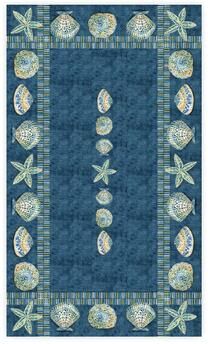
Laural Home Embellished Shells Tablecloth"The coastal tablecloth ""Embellished Shells"" is the perfect addition to your table. Mosaic-style shells and starfish create a classy nautical feel, while the textured blue background creates depth to the design."101,84 $*Shipping: 0,00 $Secure redirect to the provider
-
Laural Home Playa Shells Comforter"This coastal-inspired comforter, ""Playa Shells"" is a classic look perfect for any seaside escape. Featuring; sea turtles, sea horses, crabs and octopuses, delicate sea shells, sand dollars, starfish, and coral on a deep and rich blue background color."178,99 $*Shipping: 0,00 $Secure redirect to the provider
-
What is the theme of Wolfgang Borchert's "Shells, Shells"?
The theme of Wolfgang Borchert's "Shells, Shells" revolves around the devastating impact of war on individuals and society. The story explores the physical and emotional scars left by war on soldiers, as well as the difficulty of reintegrating into civilian life. It also delves into the themes of isolation, alienation, and the struggle to find meaning and connection in a world that has been shattered by conflict. **
-
Types of shells
There are several types of shells found in nature, including gastropod shells, bivalve shells, and cephalopod shells. Gastropod shells are typically coiled and are the protective outer layer of snails and slugs. Bivalve shells are hinged and include clams, oysters, and mussels. Cephalopod shells, such as those of nautiluses, are chambered and provide buoyancy and protection for the animal. Each type of shell has unique characteristics and serves different functions for the organisms that possess them. **
-
Are these shells?
No, the objects in the image are not shells. They appear to be nuts, possibly almonds or walnuts, based on their shape and texture. Shells are typically hard outer coverings of various sea creatures or nuts, while these objects seem to be the edible part inside the shell. **
-
Are shells algae?
Shells are not algae. Shells are the hard outer coverings of certain animals, such as mollusks, that are made of calcium carbonate. Algae, on the other hand, are a diverse group of photosynthetic organisms that can range from single-celled to multicellular forms. Algae are not animals and do not produce shells. **
Similar search terms for Shells
-
Skip's Garage Beach Shells Cornhole Boards"Includes: (2) Cornhole Boards & (8) Bags. Boards are Regulation Sized 24"" Wide x 48"" Long. Bags Will Complement The Board Colors. Easily Message Us Bag Color Requests. Easily Add a Carry Cases, Lights, or Both!"246,49 $*Shipping: 0,00 $Secure redirect to the provider
-
Laural Home Embellished Shells Tablecloth"The coastal tablecloth ""Embellished Shells"" is the perfect addition to your table. Mosaic-style shells and starfish create a classy nautical feel, while the textured blue background creates depth to the design."64,87 $*Shipping: 0,00 $Secure redirect to the provider
-
Laural Home Playa Shells Comforter"This coastal-inspired comforter, ""Playa Shells"" is a classic look perfect for any seaside escape. Featuring; sea turtles, sea horses, crabs and octopuses, delicate sea shells, sand dollars, starfish, and coral on a deep and rich blue background color."192,99 $*Shipping: 0,00 $Secure redirect to the provider
-
How do I get holes in shells?
To create holes in shells, you can use a small drill with a fine drill bit. Carefully position the drill on the shell and slowly apply pressure to create a hole. It's important to work slowly and gently to avoid cracking or damaging the shell. Additionally, you can use a rotary tool with a small grinding or cutting attachment to carefully carve out a hole in the shell. Always wear eye protection and work in a well-ventilated area when drilling or grinding shells. **
-
Do shells have eyes?
No, shells do not have eyes. Shells are the hard outer coverings of certain animals, such as snails, clams, and oysters. These animals have eyes, but the shells themselves do not. Shells are primarily used for protection and support for the animal's body. **
-
Lower classifications of shells
Lower classifications of shells refer to the specific categories used to further classify and categorize different types of shells. These classifications can include categories such as gastropods, bivalves, cephalopods, and scaphopods. Each of these lower classifications represents a specific type of shell structure and can help scientists and enthusiasts better understand the diversity and characteristics of different shells. These classifications are important for identifying and studying different species of shells and understanding their ecological roles. **
-
What is on the shells?
The shelves are filled with a variety of items such as books, photo frames, decorative objects, plants, and other personal belongings. Each shelf is carefully arranged to display these items in an organized and aesthetically pleasing manner. The shelves may also contain storage boxes or baskets to keep smaller items organized and out of sight. Overall, the shelves are a combination of functional storage and decorative display. **
* All prices are inclusive of VAT and, if applicable, plus shipping costs. The offer information is based on the details provided by the respective shop and is updated through automated processes. Real-time updates do not occur, so deviations can occur in individual cases. ** Note: Parts of this content were created by AI.