Buy reuni.eu ?
We are moving the project
reuni.eu .
Are you interested in purchasing the domain
reuni.eu ?
domain@kv-gmbh.de · 0541-91531010
Buy reuni.eu ?
Is turned ceramic better than cast ceramic?
It depends on the specific application and requirements. Turned ceramic, also known as machined ceramic, is typically more precise and can achieve tighter tolerances compared to cast ceramic. However, cast ceramic may be more cost-effective for larger and more complex shapes. Additionally, turned ceramic may have better surface finish and mechanical properties, while cast ceramic may have better thermal shock resistance. Ultimately, the choice between turned and cast ceramic depends on the specific needs of the application. **
How hot can a ceramic cooktop get?
A ceramic cooktop can reach temperatures of up to 700-800 degrees Fahrenheit (370-425 degrees Celsius) on its highest setting. This high heat allows for quick and efficient cooking, but it also requires caution to prevent burns or damage to the cookware. It's important to always use appropriate cookware and to handle the cooktop with care to avoid accidents or injuries. **

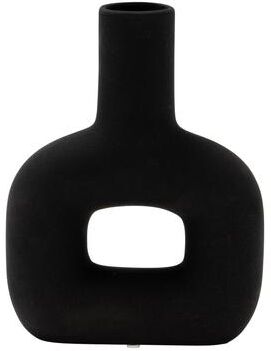
Similar search terms for Sagebrook-Home-Modern-Ceramic
Top-Angebote
Products related to Sagebrook-Home-Modern-Ceramic:

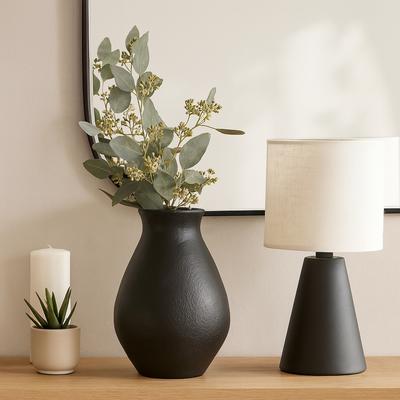


-
How does ceramic get into the oven?
Ceramic gets into the oven through a process called firing. First, the ceramic object is shaped and dried to remove any moisture. Then, it is placed in a kiln and heated to high temperatures, typically between 1,800 and 2,400 degrees Fahrenheit. This process causes the clay and other materials in the ceramic to harden and fuse together, creating a durable and heat-resistant finished product. After firing, the ceramic can be removed from the kiln and is ready for use. **
-
How can a ceramic cooktop get scratched?
A ceramic cooktop can get scratched from abrasive materials such as sand or metal cookware being dragged across the surface. Using the wrong type of cleaning products, such as abrasive sponges or harsh chemicals, can also cause scratches. Additionally, sliding heavy pots and pans across the cooktop can lead to scratches over time. It's important to use caution and proper cleaning techniques to prevent scratching and maintain the cooktop's appearance. **
-
Induction or ceramic?
The choice between induction and ceramic cooktops depends on personal preferences and cooking habits. Induction cooktops are more energy-efficient, faster, and offer precise temperature control, but they require compatible cookware. Ceramic cooktops are more affordable and easier to clean, but they heat up and cool down more slowly. Ultimately, the decision between induction and ceramic cooktops should be based on your cooking needs and budget. **
-
Is ceramic ovenproof?
Yes, ceramic is ovenproof and can withstand high temperatures. It is a popular choice for bakeware and ovenware because it distributes heat evenly and retains it well. However, it is important to check the specific instructions for each ceramic product as some may have limitations on the maximum temperature they can withstand. **


How to operate a modern home intercom system without names and door numbers?
To operate a modern home intercom system without names and door numbers, you can assign each unit a unique code or number that residents can use to identify themselves when buzzing in. This code can be shared among residents and visitors to ensure seamless communication. Additionally, you can provide a directory with corresponding codes for each unit near the intercom system for easy reference. Lastly, residents can use a pre-determined signal or phrase to confirm their identity when communicating through the intercom system. **
How can a ceramic glass cooktop get scratched?
A ceramic glass cooktop can get scratched from using cookware with rough or uneven bottoms, sliding pots and pans across the surface, or using abrasive cleaning materials. Small particles of dirt or sand on the cookware can also cause scratches when dragged across the surface. It is important to use caution when cooking and cleaning to prevent scratching the cooktop. **
Top-Angebote
Products related to Sagebrook-Home-Modern-Ceramic:
-
Is turned ceramic better than cast ceramic?
It depends on the specific application and requirements. Turned ceramic, also known as machined ceramic, is typically more precise and can achieve tighter tolerances compared to cast ceramic. However, cast ceramic may be more cost-effective for larger and more complex shapes. Additionally, turned ceramic may have better surface finish and mechanical properties, while cast ceramic may have better thermal shock resistance. Ultimately, the choice between turned and cast ceramic depends on the specific needs of the application. **
-
How hot can a ceramic cooktop get?
A ceramic cooktop can reach temperatures of up to 700-800 degrees Fahrenheit (370-425 degrees Celsius) on its highest setting. This high heat allows for quick and efficient cooking, but it also requires caution to prevent burns or damage to the cookware. It's important to always use appropriate cookware and to handle the cooktop with care to avoid accidents or injuries. **
-
How does ceramic get into the oven?
Ceramic gets into the oven through a process called firing. First, the ceramic object is shaped and dried to remove any moisture. Then, it is placed in a kiln and heated to high temperatures, typically between 1,800 and 2,400 degrees Fahrenheit. This process causes the clay and other materials in the ceramic to harden and fuse together, creating a durable and heat-resistant finished product. After firing, the ceramic can be removed from the kiln and is ready for use. **
-
How can a ceramic cooktop get scratched?
A ceramic cooktop can get scratched from abrasive materials such as sand or metal cookware being dragged across the surface. Using the wrong type of cleaning products, such as abrasive sponges or harsh chemicals, can also cause scratches. Additionally, sliding heavy pots and pans across the cooktop can lead to scratches over time. It's important to use caution and proper cleaning techniques to prevent scratching and maintain the cooktop's appearance. **
Similar search terms for Sagebrook-Home-Modern-Ceramic
-
Induction or ceramic?
The choice between induction and ceramic cooktops depends on personal preferences and cooking habits. Induction cooktops are more energy-efficient, faster, and offer precise temperature control, but they require compatible cookware. Ceramic cooktops are more affordable and easier to clean, but they heat up and cool down more slowly. Ultimately, the decision between induction and ceramic cooktops should be based on your cooking needs and budget. **
-
Is ceramic ovenproof?
Yes, ceramic is ovenproof and can withstand high temperatures. It is a popular choice for bakeware and ovenware because it distributes heat evenly and retains it well. However, it is important to check the specific instructions for each ceramic product as some may have limitations on the maximum temperature they can withstand. **
-
How to operate a modern home intercom system without names and door numbers?
To operate a modern home intercom system without names and door numbers, you can assign each unit a unique code or number that residents can use to identify themselves when buzzing in. This code can be shared among residents and visitors to ensure seamless communication. Additionally, you can provide a directory with corresponding codes for each unit near the intercom system for easy reference. Lastly, residents can use a pre-determined signal or phrase to confirm their identity when communicating through the intercom system. **
-
How can a ceramic glass cooktop get scratched?
A ceramic glass cooktop can get scratched from using cookware with rough or uneven bottoms, sliding pots and pans across the surface, or using abrasive cleaning materials. Small particles of dirt or sand on the cookware can also cause scratches when dragged across the surface. It is important to use caution when cooking and cleaning to prevent scratching the cooktop. **
* All prices are inclusive of VAT and, if applicable, plus shipping costs. The offer information is based on the details provided by the respective shop and is updated through automated processes. Real-time updates do not occur, so deviations can occur in individual cases. ** Note: Parts of this content were created by AI.