Buy reuni.eu ?
We are moving the project
reuni.eu .
Are you interested in purchasing the domain
reuni.eu ?
domain@kv-gmbh.de · 0541-91531010
Buy reuni.eu ?
What is the difference between traditional Chinese and simplified Chinese?
Traditional Chinese characters are the original form of written Chinese, which have been used for thousands of years. They are more complex and have more strokes compared to simplified Chinese characters. Simplified Chinese characters were introduced in the 1950s in an effort to increase literacy in China by reducing the number of strokes in characters. Simplified Chinese characters are used in mainland China and Singapore, while traditional Chinese characters are used in Taiwan, Hong Kong, and Macau. **
How are Chinese traditional characters translated into German?
Chinese traditional characters are translated into German through a process called transliteration. This involves representing the sound of the Chinese characters using German phonetic equivalents. Additionally, the meaning of the characters is also taken into consideration, and the closest German words with similar meanings are chosen to represent the original Chinese characters. This process allows for the accurate representation of the Chinese characters in the German language, ensuring that the meaning and pronunciation are preserved as much as possible. **
Similar search terms for Inspired-Finds-Traditional-Chinese
Top-Angebote
Products related to Inspired-Finds-Traditional-Chinese:
-
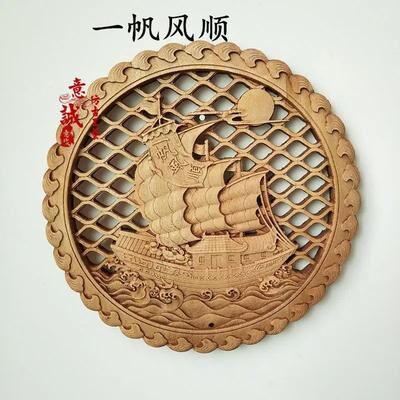
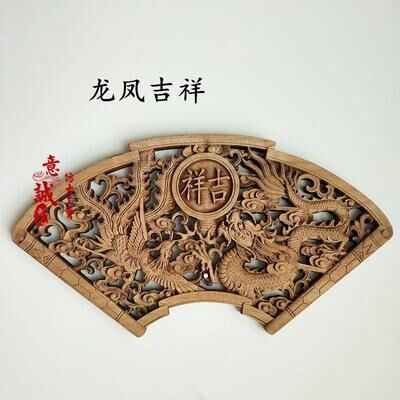
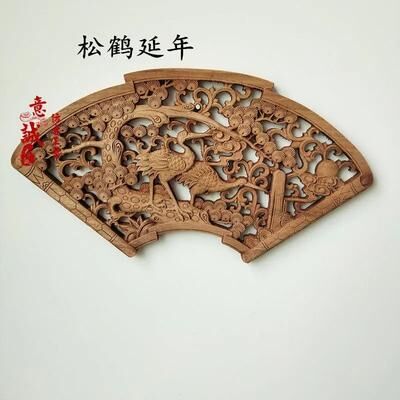
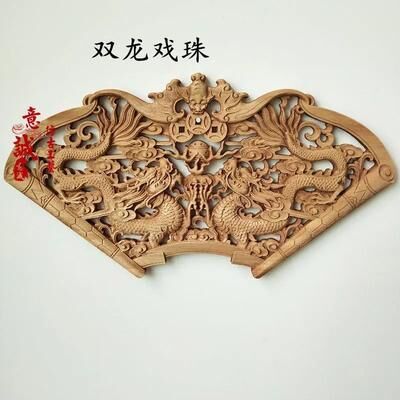
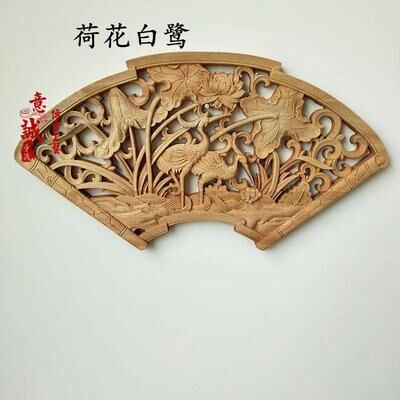
Inspired Finds Traditional Chinese Camphor Wood Dragon Phoenix Wall Hanging 3D Carved Art Decor fortune SailBring cultural depth and timeless elegance into your home with this stunning Chinese wood carving wall art crafted from aromatic camphor wood. Featuring intricate dragon and phoenix motifs, this dragon phoenix wall decor symbolizes harmony, power,...86,99 $*Shipping: 0,00 $Secure redirect to the provider
-
Inspired Finds Traditional Chinese Camphor Wood Dragon Phoenix Wall Hanging 3D Carved Art Decor abundant KoiBring cultural depth and timeless elegance into your home with this stunning Chinese wood carving wall art crafted from aromatic camphor wood. Featuring intricate dragon and phoenix motifs, this dragon phoenix wall decor symbolizes harmony, power,...86,99 $*Shipping: 0,00 $Secure redirect to the provider
-
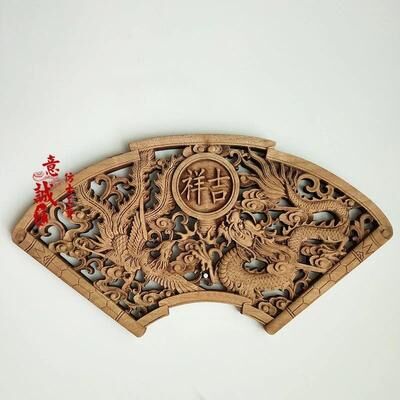
Inspired Finds Traditional Chinese Camphor Wood Dragon Phoenix Wall Hanging 3D Carved Art Decor auspicious DragonBring cultural depth and timeless elegance into your home with this stunning Chinese wood carving wall art crafted from aromatic camphor wood. Featuring intricate dragon and phoenix motifs, this dragon phoenix wall decor symbolizes harmony, power,...86,99 $*Shipping: 0,00 $Secure redirect to the provider
-
Inspired Finds Traditional Chinese Camphor Wood Dragon Phoenix Wall Hanging 3D Carved Art Decor pine CraneBring cultural depth and timeless elegance into your home with this stunning Chinese wood carving wall art crafted from aromatic camphor wood. Featuring intricate dragon and phoenix motifs, this dragon phoenix wall decor symbolizes harmony, power,...86,99 $*Shipping: 0,00 $Secure redirect to the provider
-
What is the name of the Chinese traditional dress?
The name of the Chinese traditional dress is "qipao" or "cheongsam." It is a form-fitting dress with a high collar and is often adorned with intricate embroidery or beautiful patterns. The qipao is a symbol of traditional Chinese culture and is commonly worn for special occasions such as weddings, festivals, and formal events. Its elegant and graceful design has made it a timeless and iconic piece of Chinese fashion. **
-
What is the recipe for traditional Chinese coconut balls?
The traditional Chinese coconut balls, also known as "coconut snowball" or "coconut mochi," are made with glutinous rice flour, sugar, coconut milk, and shredded coconut. To make the coconut balls, mix the glutinous rice flour with sugar and coconut milk to form a dough. Then, shape the dough into small balls and roll them in shredded coconut. Finally, steam the coconut balls until they are cooked and the texture becomes soft and chewy. These coconut balls are a popular sweet treat in Chinese cuisine and are often served during special occasions and festivals. **
-
Do you say "inspired by" or "inspired through"?
Both "inspired by" and "inspired through" are commonly used phrases, but they have slightly different meanings. "Inspired by" is used to indicate the source or origin of inspiration, such as "This painting was inspired by nature." On the other hand, "inspired through" is used to indicate the means or channel of inspiration, such as "She was inspired through her travels." Both phrases are correct, but it's important to use the one that best conveys the intended meaning in a given context. **
-
Is it said "inspired by" or "inspired through"?
The correct phrase is "inspired by." This phrase is commonly used to indicate that something has influenced or sparked creativity in someone. "Inspired through" is not a standard phrase used in this context. **
How can a young Barbie fan get inspired?
A young Barbie fan can get inspired by exploring different career paths and hobbies that Barbie has pursued in her various iterations. They can also look up to Barbie's positive traits such as resilience, kindness, and determination. Additionally, they can engage in imaginative play with Barbie dolls and create their own stories and adventures, sparking creativity and inspiration. Finally, they can also seek out real-life role models who embody the qualities and values that Barbie represents. **
What are you inspired by?
I am inspired by the resilience and creativity of people. Witnessing individuals overcome challenges and obstacles with determination and innovation motivates me to push myself further. I am also inspired by nature and its beauty, which reminds me of the importance of preserving our environment. Overall, I find inspiration in the human spirit and the wonders of the world around us. **
Top-Angebote
Products related to Inspired-Finds-Traditional-Chinese:
-
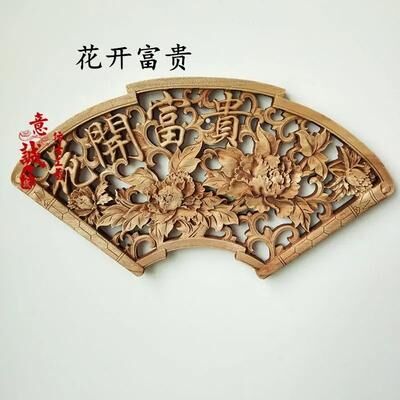
Inspired Finds Traditional Chinese Camphor Wood Dragon Phoenix Wall Hanging 3D Carved Art Decor peony WealthBring cultural depth and timeless elegance into your home with this stunning Chinese wood carving wall art crafted from aromatic camphor wood. Featuring intricate dragon and phoenix motifs, this dragon phoenix wall decor symbolizes harmony, power,...86,99 $*Shipping: 0,00 $Secure redirect to the provider
-
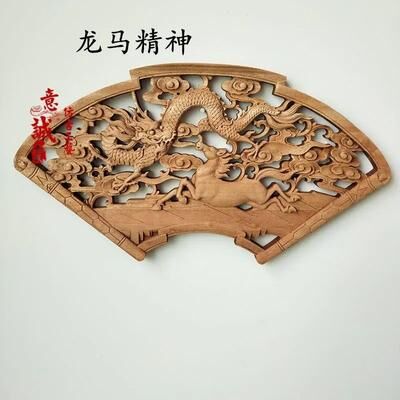
Inspired Finds Traditional Chinese Camphor Wood Dragon Phoenix Wall Hanging 3D Carved Art Decor dragon HorseBring cultural depth and timeless elegance into your home with this stunning Chinese wood carving wall art crafted from aromatic camphor wood. Featuring intricate dragon and phoenix motifs, this dragon phoenix wall decor symbolizes harmony, power,...86,99 $*Shipping: 0,00 $Secure redirect to the provider
-
Inspired Finds Traditional Chinese Camphor Wood Dragon Phoenix Wall Hanging 3D Carved Art Decor fortune SailBring cultural depth and timeless elegance into your home with this stunning Chinese wood carving wall art crafted from aromatic camphor wood. Featuring intricate dragon and phoenix motifs, this dragon phoenix wall decor symbolizes harmony, power,...86,99 $*Shipping: 0,00 $Secure redirect to the provider
-
Inspired Finds Traditional Chinese Camphor Wood Dragon Phoenix Wall Hanging 3D Carved Art Decor abundant KoiBring cultural depth and timeless elegance into your home with this stunning Chinese wood carving wall art crafted from aromatic camphor wood. Featuring intricate dragon and phoenix motifs, this dragon phoenix wall decor symbolizes harmony, power,...86,99 $*Shipping: 0,00 $Secure redirect to the provider
-
What is the difference between traditional Chinese and simplified Chinese?
Traditional Chinese characters are the original form of written Chinese, which have been used for thousands of years. They are more complex and have more strokes compared to simplified Chinese characters. Simplified Chinese characters were introduced in the 1950s in an effort to increase literacy in China by reducing the number of strokes in characters. Simplified Chinese characters are used in mainland China and Singapore, while traditional Chinese characters are used in Taiwan, Hong Kong, and Macau. **
-
How are Chinese traditional characters translated into German?
Chinese traditional characters are translated into German through a process called transliteration. This involves representing the sound of the Chinese characters using German phonetic equivalents. Additionally, the meaning of the characters is also taken into consideration, and the closest German words with similar meanings are chosen to represent the original Chinese characters. This process allows for the accurate representation of the Chinese characters in the German language, ensuring that the meaning and pronunciation are preserved as much as possible. **
-
What is the name of the Chinese traditional dress?
The name of the Chinese traditional dress is "qipao" or "cheongsam." It is a form-fitting dress with a high collar and is often adorned with intricate embroidery or beautiful patterns. The qipao is a symbol of traditional Chinese culture and is commonly worn for special occasions such as weddings, festivals, and formal events. Its elegant and graceful design has made it a timeless and iconic piece of Chinese fashion. **
-
What is the recipe for traditional Chinese coconut balls?
The traditional Chinese coconut balls, also known as "coconut snowball" or "coconut mochi," are made with glutinous rice flour, sugar, coconut milk, and shredded coconut. To make the coconut balls, mix the glutinous rice flour with sugar and coconut milk to form a dough. Then, shape the dough into small balls and roll them in shredded coconut. Finally, steam the coconut balls until they are cooked and the texture becomes soft and chewy. These coconut balls are a popular sweet treat in Chinese cuisine and are often served during special occasions and festivals. **
Similar search terms for Inspired-Finds-Traditional-Chinese
-
Inspired Finds Traditional Chinese Camphor Wood Dragon Phoenix Wall Hanging 3D Carved Art Decor auspicious DragonBring cultural depth and timeless elegance into your home with this stunning Chinese wood carving wall art crafted from aromatic camphor wood. Featuring intricate dragon and phoenix motifs, this dragon phoenix wall decor symbolizes harmony, power,...86,99 $*Shipping: 0,00 $Secure redirect to the provider
-
Inspired Finds Traditional Chinese Camphor Wood Dragon Phoenix Wall Hanging 3D Carved Art Decor pine CraneBring cultural depth and timeless elegance into your home with this stunning Chinese wood carving wall art crafted from aromatic camphor wood. Featuring intricate dragon and phoenix motifs, this dragon phoenix wall decor symbolizes harmony, power,...86,99 $*Shipping: 0,00 $Secure redirect to the provider
-
Inspired Finds Traditional Chinese Camphor Wood Dragon Phoenix Wall Hanging 3D Carved Art Decor floral FortuneBring cultural depth and timeless elegance into your home with this stunning Chinese wood carving wall art crafted from aromatic camphor wood. Featuring intricate dragon and phoenix motifs, this dragon phoenix wall decor symbolizes harmony, power,...86,99 $*Shipping: 0,00 $Secure redirect to the provider
-
Inspired Finds Traditional Chinese Camphor Wood Dragon Phoenix Wall Hanging 3D Carved Art Decor lotus CraneBring cultural depth and timeless elegance into your home with this stunning Chinese wood carving wall art crafted from aromatic camphor wood. Featuring intricate dragon and phoenix motifs, this dragon phoenix wall decor symbolizes harmony, power,...86,99 $*Shipping: 0,00 $Secure redirect to the provider
-
Do you say "inspired by" or "inspired through"?
Both "inspired by" and "inspired through" are commonly used phrases, but they have slightly different meanings. "Inspired by" is used to indicate the source or origin of inspiration, such as "This painting was inspired by nature." On the other hand, "inspired through" is used to indicate the means or channel of inspiration, such as "She was inspired through her travels." Both phrases are correct, but it's important to use the one that best conveys the intended meaning in a given context. **
-
Is it said "inspired by" or "inspired through"?
The correct phrase is "inspired by." This phrase is commonly used to indicate that something has influenced or sparked creativity in someone. "Inspired through" is not a standard phrase used in this context. **
-
How can a young Barbie fan get inspired?
A young Barbie fan can get inspired by exploring different career paths and hobbies that Barbie has pursued in her various iterations. They can also look up to Barbie's positive traits such as resilience, kindness, and determination. Additionally, they can engage in imaginative play with Barbie dolls and create their own stories and adventures, sparking creativity and inspiration. Finally, they can also seek out real-life role models who embody the qualities and values that Barbie represents. **
-
What are you inspired by?
I am inspired by the resilience and creativity of people. Witnessing individuals overcome challenges and obstacles with determination and innovation motivates me to push myself further. I am also inspired by nature and its beauty, which reminds me of the importance of preserving our environment. Overall, I find inspiration in the human spirit and the wonders of the world around us. **
* All prices are inclusive of VAT and, if applicable, plus shipping costs. The offer information is based on the details provided by the respective shop and is updated through automated processes. Real-time updates do not occur, so deviations can occur in individual cases. ** Note: Parts of this content were created by AI.